
Ballast water plays an essential role in a ship’s stability. However, transporting and discharging it can introduce aquatic organisms into new environments and help them spread.
In Canada, the Ballast Water Regulations (SOR/2021-120), which came into force in June 2021, set requirements for managing this water to reduce risks to aquatic ecosystems. Lab’Eau-Air-Sol offers ballast water analysis to support ship operators with verification and monitoring.
About the analysis
Understanding ballast water analysis
What is ballast water?
Ships use ballast water to adjust their weight, trim and stability according to navigation and loading conditions.
Water is generally taken from an aquatic environment, stored in the ship’s tanks and discharged when ballast requirements change.
Why is its management important?
Water taken on board may contain aquatic organisms and microorganisms. Transporting them to other regions can contribute to the introduction of invasive species and pathogens.
These introductions can disrupt ecosystems and affect biodiversity, infrastructure and certain economic activities.
Canadian regulations
The Ballast Water Regulations govern ballast water management for the ships they cover, particularly to reduce the spread of invasive aquatic species.
Applicable requirements depend on factors including the type of ship, its construction, its movements and the regulatory provisions that apply to it.
The regulations set obligations concerning management, the systems used, documentation and compliance. Depending on the scope of the work, analyses may form part of verification activities.
What does the analysis involve?
Lab’Eau-Air-Sol offers ballast water analysis tailored to the objectives of the work and the parameters to be verified.
The service may include the following steps:
- Collecting ballast water samples.
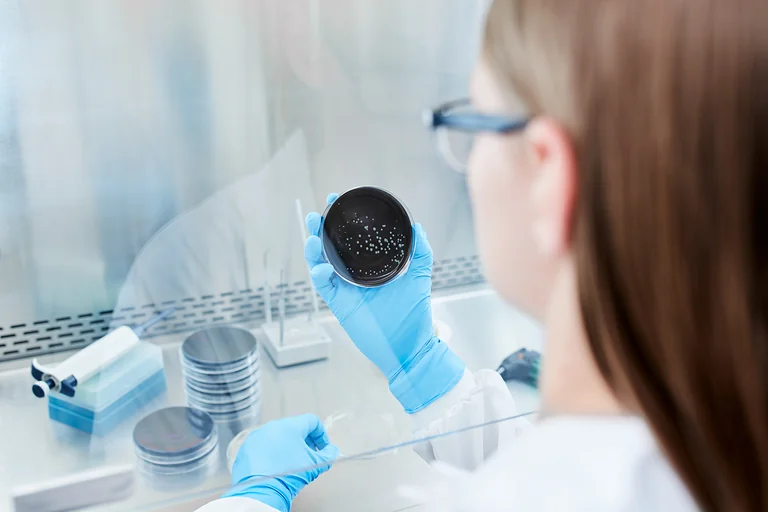
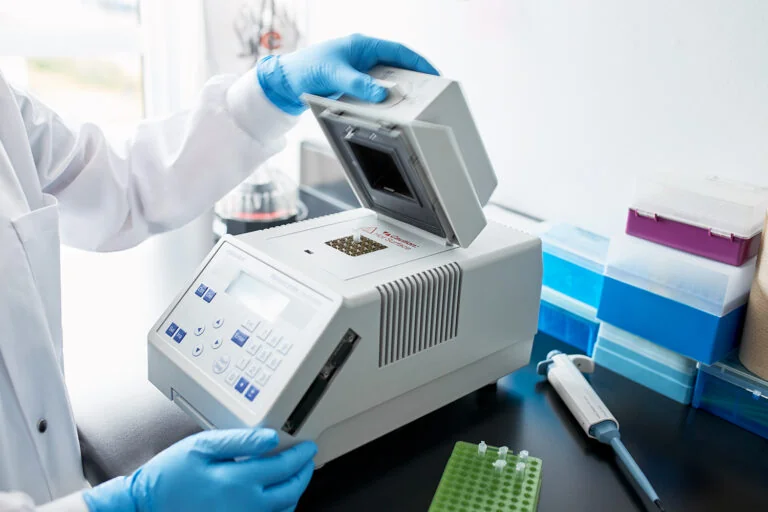
- Analysing the samples in the laboratory.
- Providing a report presenting the results.
- Annual follow-up, where included in the scope of the work.
Analysis tailored to the project
The parameters to be tested, sampling arrangements and analysis frequency may vary according to the ship’s needs and applicable requirements.
It is therefore important to clarify the purpose of the analysis before planning sample collection.
When should you request this analysis?
Ballast water analysis may be useful in various management and verification situations, including:
- You need to document certain parameters of a ship’s ballast water.
- You want to verify water characteristics before or after treatment.
- You are monitoring a ballast water management system.
- You need to respond to a verification or documentation request relating to specific work.
- You want to organize a sampling campaign or periodic monitoring.
Analysis suited to applicable requirements
Regulatory obligations are not necessarily the same for every ship. A single analysis is not, on its own, enough to establish a ship’s overall compliance or that of its management system.
Results must be interpreted in light of the context, the parameters analysed and applicable requirements.
Sampling
How do you collect a sample?
Ballast water sampling must be planned according to the analyses requested and the sampling conditions.
For information on collecting, preserving and submitting samples, consult our instructions or contact our team.
Sampling methods
Find instructions for preparing and submitting your samples.